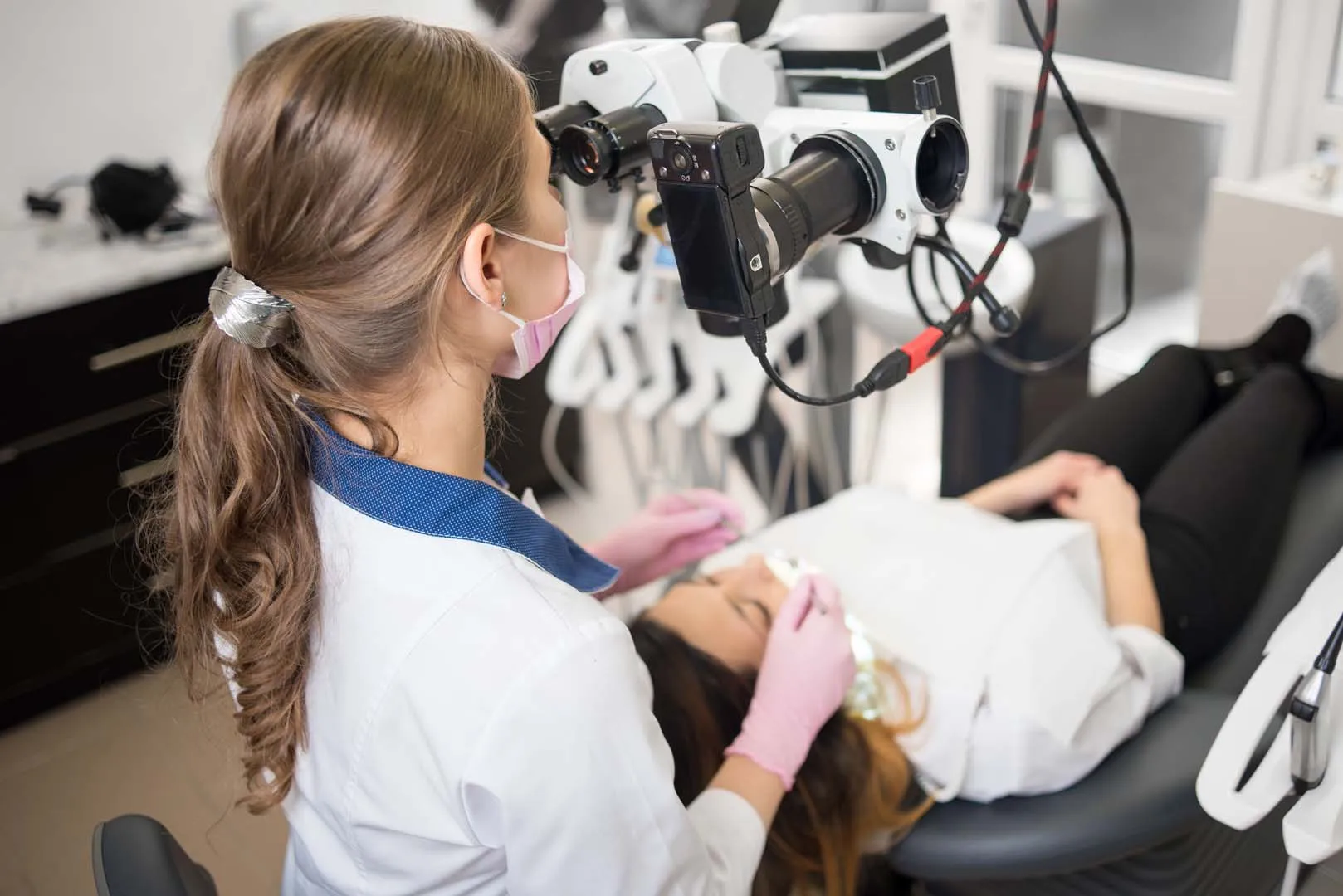
The Highest Level of Dental Comfort
As a general anesthesia dentist practice with a board-certified dental anesthesiologist on staff, we accept most major PPO insurance plans.
Why Choose General Anesthesia for Dental Work
If you have been avoiding dental care because of overwhelming anxiety, a sensitive gag reflex, or complex health needs, you are not alone. Many patients feel that lighter forms of sedation are not enough to help them through treatment. General anesthesia for dental work allows you to remain completely unconscious during your procedure, so you feel nothing and remember nothing from the appointment.
This option is designed to help patients who may otherwise delay or avoid critical care — such as root canal therapy — due to fear. Rather than letting a dental problem worsen, general anesthesia makes it possible to receive the treatment you need in complete comfort.
Benefits of a Board-Certified Dental Anesthesiologist on Staff
What sets Molina Endodontics apart from most dental practices is that we have a board-certified dental anesthesiologist on our team. This means your anesthesia is managed by a specialist whose advanced training focuses entirely on keeping you safe and comfortable during unconscious sedation. Having an in-house anesthesiologist provides several important benefits:
Dedicated Monitoring
Your heart rate, blood pressure, oxygen levels, and breathing are continuously tracked throughout the procedure.
Specialized Training
A dental anesthesiologist completes years of additional residency training beyond dental school, focused specifically on anesthesia and patient safety.
Seamless Coordination
Because the anesthesiologist works directly alongside Dr. Sonia Molina during your procedure, the entire team communicates in real time to help ensure your safety and comfort.
This level of care is rare in an endodontic specialty practice and is especially valuable for patients with complex medical histories or those who require specialized dental care for disabilities.
General Anesthesia vs. IV Sedation — Which Is Right for You
Choosing the right sedation option depends on your level of anxiety, the complexity of your procedure, and your overall health. Here is how general anesthesia compares to IV sedation.
Key Differences Between General Anesthesia and IV Sedation
Level of Consciousness
With IV sedation, you remain in a deeply relaxed, semi-conscious state and may respond to verbal cues. With general anesthesia, you are completely unconscious and unaware of the procedure.
Administration
IV sedation is delivered through an intravenous line and adjusted throughout treatment. General anesthesia involves medications that produce a deeper state of unconsciousness, managed entirely by the dental anesthesiologist.
Recovery Time
IV sedation patients typically recover more quickly, while general anesthesia may require a longer observation period before you are ready to go home.
Both options are safe when administered by trained professionals. Dr. Molina and the anesthesiologist will recommend the approach that best fits your needs.
Who Is a Candidate for General Anesthesia
General anesthesia may be recommended for patients who:
- Experience severe dental anxiety or phobia that prevents them from tolerating treatment while awake
- Need lengthy or complex endodontic procedures
- Have certain medical conditions or physical limitations that make conscious sedation less effective
- Have a strong gag reflex that interferes with dental care
During your consultation, our team evaluates your medical history and discusses your concerns to determine whether general anesthesia is the right choice.
What to Expect During Your General Anesthesia Appointment
Knowing what happens before, during, and after your appointment helps reduce uncertainty and puts you in control.
Before Your Procedure
You will receive specific pre-operative instructions, including guidelines on fasting (no food or drink for a set period before your appointment). Our team reviews your medical history, current medications, and any allergies. The dental anesthesiologist meets with you to explain the process and answer your questions.
During Treatment
Once you are comfortably unconscious, Dr. Molina performs your endodontic procedure while the anesthesiologist monitors your vitals continuously. You will not feel or remember any part of the treatment. The entire team works together to complete your care as efficiently as possible.
Recovery and Aftercare
After your procedure, you rest in our recovery area while the anesthesia wears off. Most patients spend approximately 30 to 60 minutes waking up under observation. You will need a responsible adult to drive you home, and we recommend resting for the remainder of the day. Our team provides detailed aftercare instructions before you leave.
Frequently Asked Questions About General Anesthesia for Dental Work
When administered by a board-certified dental anesthesiologist, general anesthesia for dental procedures is designed to be very safe. Your vital signs are continuously monitored throughout the procedure, and the anesthesiologist manages your sedation from start to finish. A thorough pre-operative health evaluation helps identify any risk factors before treatment begins.
Most patients spend about 30 to 60 minutes in our recovery area after waking up. Grogginess and mild disorientation may continue for several hours, so you will need a responsible adult to drive you home. Most patients feel back to normal within 24 hours, though individual recovery times may vary.
Many dental insurance plans cover general anesthesia when it is deemed medically necessary, such as for patients with severe anxiety, special needs, or complex procedures. Molina Endodontics accepts most major PPO plans including Aetna, Delta Dental, Cigna, MetLife, and many others. Visit our Insurance & Financing page or call our office to verify your benefits before your appointment.
General anesthesia may be recommended for lengthy or complex endodontic procedures, patients with severe dental phobia who cannot tolerate treatment while awake, individuals with certain medical conditions or special needs, and patients with a strong gag reflex that interferes with dental care. Your general anesthesia dentist will help determine whether this option is right for your situation.
You deserve dental care without fear. If anxiety or complex health needs have kept you from getting the treatment you need, our team at Molina Endodontics is here to help you feel safe and comfortable every step of the way.